

Bundesliga Statistiken
Bundesliga Statistiken (Simple, Complete Breakdown for Fans)
If you ever felt lost in numbers, you are not alone. This guide explains bundesliga statistiken like a friendly chat. You will learn what each stat means, why it matters, and how to use it for fun. You will also get clear tables you can copy into your notes.
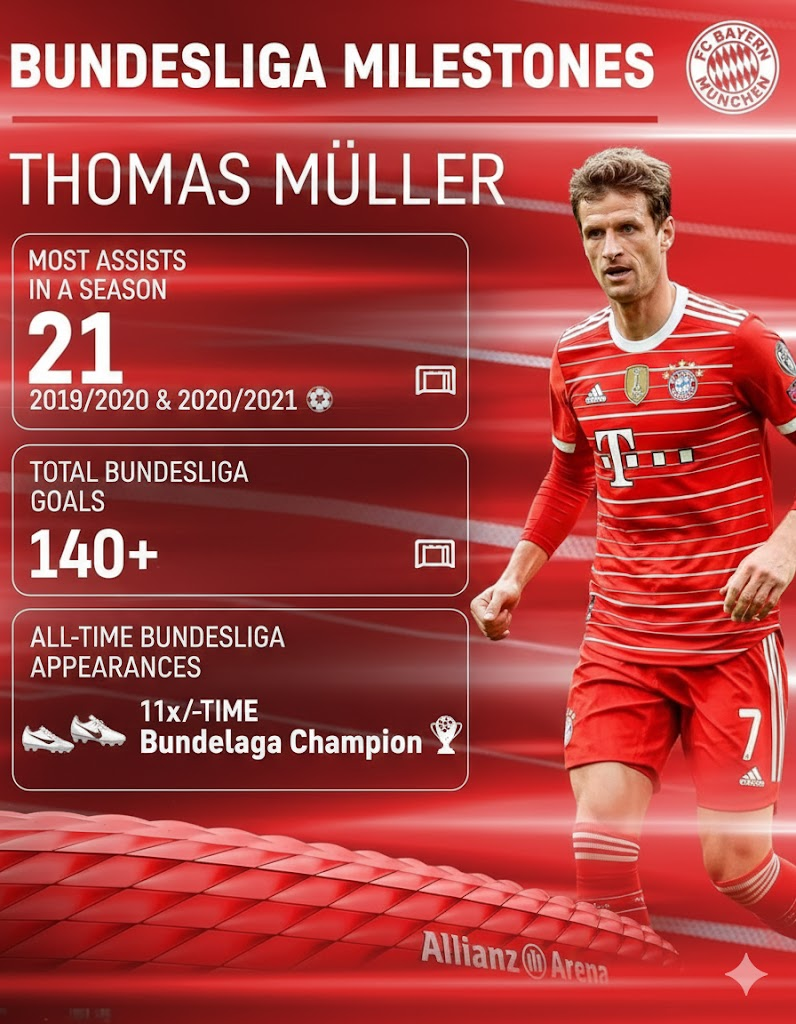
1) What “bundesliga statistiken” means in real life
Start HereThe phrase bundesliga statistiken simply means “Bundesliga statistics.” It is the story of the league told with numbers. Think of it like a match diary. Goals, shots, passes, saves, and tackles all leave a trail. When you read that trail, you see why a team won. A team can score twice from two chances. Another team can shoot twenty times and lose. That is why fans love stats. They help you talk about football with proof, not only feelings. In this guide, you will learn the main numbers, what they mean, and how to use them in a simple way. We will also share small examples, so the ideas stick in your head.
Before we go deeper, here is a “league profile” table. Some people call this a biography table because it gives quick facts in one view. If you save only one part of this page, save this and the cheat sheet later. Also, remember one thing: no single stat is perfect. The best way is to combine a few stats and your own eyes. That mix is where bundesliga statistiken becomes truly useful for fans.
| League Profile | Details (Easy View) | Why it matters |
|---|---|---|
| Name | Bundesliga (Germany’s top football league) | It’s the main stage where the best German clubs compete. |
| Season shape | Round-by-round league format (home and away matches) | Teams must be good for many months, not just one night. |
| What fans track | Table, goals, assists, clean sheets, cards, and more | This is the core of bundesliga statistiken in daily talk. |
| Why stats are loved | They explain “how” and “why” a result happened | Stats turn opinions into smart conversations. |
2) Why stats make football clearer (without ruining the fun)
MindsetSome fans worry that numbers will kill the magic. But it is the opposite. When you understand bundesliga statistiken, you notice more moments that used to be invisible. You start to see why a winger keeps cutting inside, why a striker drifts wide, or why a team looks tired in the last fifteen minutes. Stats also protect you from one big trap: highlights. Highlights show only the loud moments. Stats show the full story, including the quiet pressure. For example, a team might create many good chances but miss. That is not “luck forever.” Over time, chances often turn into goals.
Here is a simple way to think: stats are like a map. A map does not replace the trip. It helps you understand the trip better. If your favorite team loses, stats can show if the plan was good but the finishing was poor, or if the defense broke down. That kind of clarity keeps arguments friendly. It also helps you respect opponents, because you can see what they did well. In short, bundesliga statistiken keeps the fun, and adds smarter talk on top.
3) The league table explained in a kid-simple way
CoreThe league table is the first place fans look. It is also the first part of bundesliga statistiken you should master. The main idea is points. Win gives three points. Draw gives one. Loss gives zero. That is it. But the table also shows goals for, goals against, and goal difference. Goal difference is goals scored minus goals allowed. It matters because teams can finish with the same points. If that happens, goal difference helps separate them. You can think of it as the “score balance” across the season.
A smart habit is to look at “games played” before you judge the table. A team with fewer matches might climb quickly later. Another habit is to check home and away results. Some clubs are strong at home but struggle away. That split tells you a lot about confidence and game plan. These are basic, but they are the foundation of bundesliga statistiken for every fan.
4) Attack stats: goals, shots, shots on target, and xG
AttackingAttack stats are the loudest part of bundesliga statistiken. Goals are the final result, but shots tell you how a team tried. “Shots on target” means the shot would go in unless the goalkeeper stops it. This is useful, but it still has a weakness. A weak shot straight at the keeper counts the same as a rocket to the corner. That is why many fans also look at xG. xG means “expected goals.” It is a simple idea: some shots are easier than others. A close-range shot usually has higher xG. A long shot usually has lower xG. Over time, xG helps you see who creates better chances.
Use xG like a guide, not a judge. If a team wins with low xG, it might mean great finishing, a great counter plan, or a hot goalkeeper. If a team loses with high xG, it might mean poor finishing or strong defending blocks. The best fan approach is this: watch the match, then use bundesliga statistiken to confirm what your eyes felt. When both agree, your confidence grows.
| Stat | What it means | Simple way to use it |
|---|---|---|
| Goals | How many times the ball crossed the line. | Great for results, but not the full story alone. |
| Shots | All attempts to score. | High shots can mean pressure, or just bad shot choices. |
| Shots on target | Shots that force a save or go in. | Better than shots, but still misses shot quality. |
| xG (expected goals) | Estimated chance quality of shots. | Compare chance quality across matches and teams. |
5) Creativity stats: assists, key passes, and big chances
PlaymakingA goal often starts two steps earlier. That is why creativity stats matter in bundesliga statistiken. An assist is the final pass before a goal. It is important, but it can be unfair. A player can make five amazing passes, and teammates miss. No assist appears. That is where “key passes” help. A key pass is a pass that leads to a shot. It shows who is creating chances, even when goals do not come. Another useful phrase is “big chances.” This usually means a very good scoring chance, like a close shot with time and space.
A real-life example: imagine a winger beats the fullback, crosses low, and the striker taps it wide. That is still good creation. If you check key passes and big chances created, you will notice that winger did his job. Over a season, creators often shine with these numbers. So when you discuss a player, do not look only at goals. Use bundesliga statistiken to see who makes goals possible.
6) Defense stats: tackles, interceptions, blocks, and duels
DefendingDefense is not only sliding tackles. In bundesliga statistiken, you will see tackles, interceptions, and blocks. A tackle is when a player takes the ball from an opponent. An interception is when a player cuts out a pass. A block is when a player stops a shot or cross by putting a body in the way. These numbers can be useful, but be careful. A team that defends a lot will have more tackles and blocks. That does not always mean they are better. It might mean they are under pressure more often.
A simple fan trick is to read defense stats next to possession and shots allowed. If a team has many blocks and also allows many shots, they might be surviving, not controlling. If a team has fewer tackles but also allows fewer chances, they may be defending with smart shape. This is the kind of thinking that makes bundesliga statistiken feel like a superpower, even if you are new to stats.
7) Goalkeeper stats: saves, clean sheets, and “shot quality”
GoalkeepersGoalkeepers are tricky to judge by eye because one mistake looks huge. In bundesliga statistiken, the basic numbers are saves and clean sheets. A clean sheet means the team allowed zero goals. It feels like a goalkeeper stat, but it is also a defense stat. A keeper behind a strong defense may face fewer hard shots. So saves alone can be misleading too. If a keeper faces many shots, he may have more saves but also more goals allowed. That is why modern stats sometimes look at shot difficulty.
Here is a simple way to read keeper numbers: compare saves with shots on target faced, and also consider how dangerous the shots were. If your app shows “expected goals on target” or something similar, it tries to measure shot danger more fairly. Even if you do not use advanced terms, you can still use the idea. Ask: “Were the shots easy or hard?” That question turns bundesliga statistiken into a fairer view of goalkeepers.
8) Discipline stats: yellow cards, red cards, and fouls
DisciplineDiscipline is part of winning. In bundesliga statistiken, you will often see yellow cards, red cards, and fouls. A yellow card can change how a defender plays. A red card can change the whole match. But fouls can be tricky. Some teams foul more because they press hard and stop counters early. That can be a smart plan. Other teams foul because they are late to challenges and lose control. So do not judge too fast. Look at where fouls happen and what happens after them.
One easy way to use discipline stats is to watch for patterns. If a team collects many early yellows, they may become passive later. If a player often gets carded, he might miss matches due to suspension. For fans, this is helpful for predicting lineups and game plans. Even here, bundesliga statistiken is not only numbers. It is a way to understand pressure, risk, and choices.
9) Team style stats: possession, passing, and pressing (simple)
StyleStyle is where bundesliga statistiken becomes really fun. Possession shows who had the ball more. Passing accuracy shows how often passes found a teammate. But possession does not always mean control. A team can pass safely in the back and still create nothing. That is why you should look at “passes into the final third,” “touches in the box,” or “shots created” if your app shows them. These stats hint at progress. They show if possession actually moved the ball into dangerous places.
Pressing stats can sound scary, but the idea is simple: how fast a team tries to win the ball back. Some apps show PPDA. You do not need to memorize the letters. Just remember: a lower number often means stronger pressing because the opponent gets fewer passes before pressure arrives. When you combine possession, chance stats, and pressing, you get a clear picture of a team’s personality. That is the heart of bundesliga statistiken for modern fans.
10) Form and momentum: last five games, home/away splits
TrendsForm is the short story inside the long season. In bundesliga statistiken, you will often see “last five” results. That is useful, but it can fool you too. A team might face strong opponents in that run. Another team might face weak ones. So use form with context. Home and away splits are also important. Some clubs are fearless at home because the crowd lifts them. Away matches can be more cautious. If you compare home xG and away xG, you can see if the team’s style changes.
Another smart move is to track “first half vs second half.” Some teams start fast and fade. Others grow into the game. This helps you understand substitutions and stamina. As a fan, this makes live watching better because you know what to expect. When you use these trends gently, bundesliga statistiken becomes a simple compass that points to what might happen next.
11) How to read a match stats sheet (step-by-step)
Match ViewLet’s practice. A match stats sheet is a snapshot of what happened. Start with the score, then check shots and shots on target. After that, look at xG if it is available. This tells you if the score matches the chances. Next, check possession and passing. Finally, look at big chances, corners, and cards for the “feel” of the match. This method is fast and works for every match. Once you get used to it, you can understand most games in under two minutes. That is the practical power of bundesliga statistiken.
Below is a clean example table you can copy and reuse. The numbers are just an example format, not a real match. The goal is to show a simple layout that looks good on WordPress. If you keep your own notes after matches, this kind of table makes your thoughts more organized. You can also compare two matches and see patterns. That is how fans turn bundesliga statistiken into better match talk.
| Match Stat (Example) | Home | Away | What to notice |
|---|---|---|---|
| Score | 2 | 1 | Result first, then look for reasons. |
| Shots / On target | 14 / 6 | 10 / 4 | More on target often means more danger. |
| xG (if available) | 1.9 | 1.1 | Chance quality check. Does it match the score? |
| Possession | 54% | 46% | Possession is helpful only with chances. |
| Big chances | 3 | 2 | High big chances often predict future goals. |
| Cards | 2Y / 0R | 3Y / 0R | Cards can change risk and pressing. |
12) The “complete detailing table” you can use as a stat cheat sheet
Cheat SheetMany fans ask for one table that explains everything. Here it is. This table is made to be clear, not complicated. It covers the most common parts of bundesliga statistiken: attacking, creating, defending, goalkeeping, and discipline. The best way to use this cheat sheet is to pick three stats you like and follow them for two weeks. You will feel your football understanding grow fast. Keep it simple. You do not need every stat every time.
Also, remember that context matters. A pressing team will have different numbers than a counter team. A top team may face fewer shots, so defenders may have fewer tackles. That is normal. Compare teams with similar styles when possible. If you do this, bundesliga statistiken stays fair, and your opinions stay strong.
| Category | Stat | Plain meaning | Best fan use |
|---|---|---|---|
| Attack | Goals | Final scoring output. | Combine with chances to judge performance. |
| Attack | Shots / On target | Attempts / real tests for the keeper. | Check if pressure was real or just noise. |
| Attack | xG | Chance quality estimate. | See if the score matches the match story. |
| Creation | Assists | Last pass before a goal. | Good, but can miss hidden creators. |
| Creation | Key passes | Pass that leads to a shot. | Find true playmakers beyond assists. |
| Creation | Big chances created | High-quality chances made for others. | Spot consistent chance builders. |
| Defense | Tackles | Winning the ball off an opponent. | Useful with context: pressure level matters. |
| Defense | Interceptions | Cutting out passes. | Shows reading of the game and positioning. |
| Defense | Blocks | Stopping shots/crosses with the body. | Shows sacrifice, but may also show being pinned back. |
| Goalkeeping | Saves | Stops on shots on target. | Compare with shots faced for fairness. |
| Goalkeeping | Clean sheets | No goals conceded. | Good, but includes whole defense work too. |
| Discipline | Yellow/Red cards | Warnings / send-offs. | Predict suspensions and style changes. |
| Style | Possession | Time on the ball. | Meaningful only when it leads to danger. |
| Style | Pressing indicator (like PPDA) | How quickly pressure comes. | See if a team hunts high or sits deep. |
13) Common mistakes people make with bundesliga statistiken
AvoidThe biggest mistake is using one number to “prove” everything. Football is messy, and that is why we love it. In bundesliga statistiken, one match can be strange. A team can dominate and still lose. A player can be quiet and still score. So avoid hard conclusions from one game. Another mistake is comparing players with different roles. A defensive midfielder will not have the same goals as a striker. That does not make him worse. It means he has a different job. Compare like-for-like roles when possible.
A third mistake is ignoring game state. When a team leads, they may stop attacking and defend deeper. That can reduce shots and possession. A fourth mistake is ignoring opponent strength. A stat line against a weak side can look amazing. Against a strong side, it can look average. The fix is simple: use a small group of matches, not just one. When you do this, bundesliga statistiken becomes calm and reliable.
14) Mini glossary: quick meanings (no heavy words)
GlossaryThis quick glossary helps you read bundesliga statistiken faster. You do not need to memorize it. Just come back when you see a term and want a simple meaning. The goal is to keep you confident while reading match apps, league tables, and player pages.
Key Takeaways (save this part)
SummaryIf you remember only a few things, remember these. First, bundesliga statistiken is a story of matches told with numbers. Second, goals matter, but chances matter too, so use shots and xG together. Third, assists are great, but key passes show hidden creators. Fourth, defense stats need context, because more tackles can mean more pressure faced. Fifth, goalkeepers should be judged fairly by looking at shots faced and shot difficulty, not only clean sheets. Finally, avoid one-game conclusions. Use small trends. Combine stats with your eyes. If you do this, you will talk about Bundesliga games with more confidence and more respect for the game.
- Use 3 stats at a time: Score + shots on target + xG is a strong combo.
- Look beyond goals: key passes and big chances show real creators.
- Context is king: style and opponent strength change numbers.
- Trends beat noise: check last five matches, not only one night.
FAQs about bundesliga statistiken
FAQThese FAQs answer the questions fans ask most. Each answer is short, clear, and practical. If you are learning bundesliga statistiken, start here and then jump back to the tables above.
What are the most important stats for a beginner? +
Is xG always correct? +
Why can a team have high possession but still look weak? +
Which defense stat is most useful? +
Do clean sheets prove a goalkeeper is the best? +
How often should I check stats to avoid overthinking? +
Conclusion: use bundesliga statistiken to enjoy matches more
FinishYou do not need to be a math expert to enjoy stats. The goal is simple: understand matches better. When you follow bundesliga statistiken with a few key numbers, you start seeing patterns. You notice who creates, who protects, and who changes games with small choices. Try this: for the next match you watch, write down shots on target, xG, key passes, and big chances. Then compare those notes with how the match felt. You will be surprised how quickly your football reading improves. If you want more match breakdown content, use the button below.
About the Author


